
 Destin
Unpacking the Guiding Principles of We Are Righteous: Their Underlying Purpose
Most brands say they have a mission, yet barely any can justify it beyond a vague About-page line. We Are Righteous has constructed its identity around a defined set of standards that guide how garments are created, supplied, and marketed. This matters to shoppers who read a righteous review before buying, because values without evidence are just marketing. Here’s a look at the principles fueling the brand, their expression across the collection, and the brand’s standing among other streetwear players.
The name itself signals intent. Righteous clothing is meant to carry a sense of resolve — not spiritual rule, but a private standard around craftsmanship, truthful sizing, and pieces built to outlast one season. This mindset is reflected in the fabrics selected, in the we are righteous team’s approach to customer communication, and in the tempo of new releases. Fewer, more considered drops generally translate into closer attention to each piece rather than nonstop disposable cycling.
The Guiding Standards Behind the Brand
At the center of the we are righteous brand is a devotion to real value over buzz. The brand has said that its garments are built to be worn for years, not discarded after a few washes. You can see this in build decisions such as reinforced seams at high-stress areas and fabric weights picked for longevity instead of low cost. It’s a deliberate contrast to fast fashion, where garments are often engineered to look good in a photo and fall apart within a dozen wears.
Openness forms another cornerstone. Rather than hiding behind vague size charts, the brand provides measurement guides so customers can compare their own body measurements against the actual garment dimensions, not just a generic S/M/L label. As a result, returns drop and confidence grows, which is why numerous customers leave a righteous review praising fit accuracy rather than criticizing it.
Involvement with the community completes the value framework. The brand treats its customer base as collaborators rather than passive buyers, using direct feedback to inform future colorways, fits, and fabric weights. Feedback from drop comments, sizing discussions, and repeat-purchase trends all inform choices on what’s restocked versus discontinued. That feedback loop is slower than algorithmic fast fashion, but it produces a more consistent product over time.
Where the Product righteous zip up Line Expresses These Values
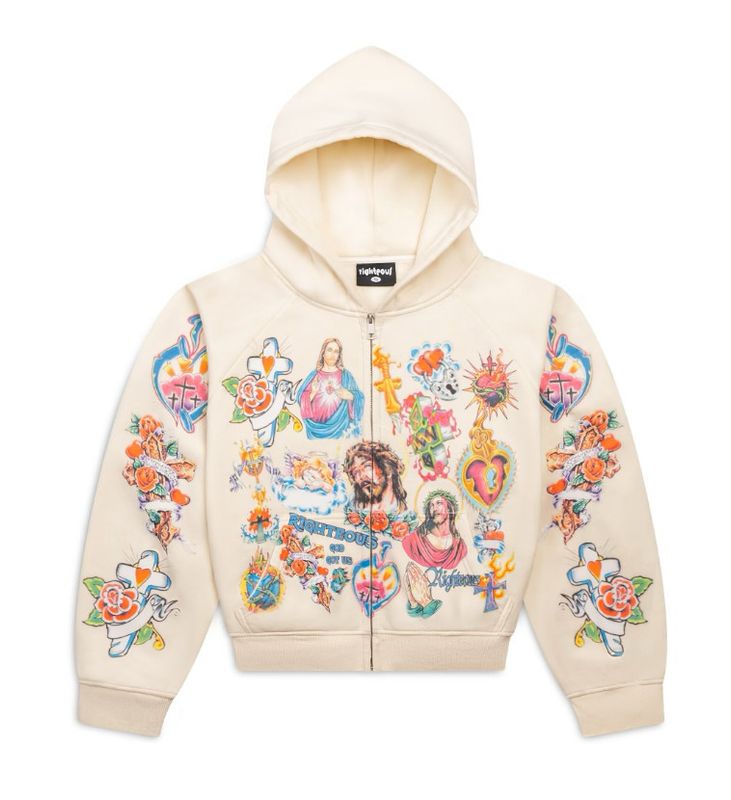
Nowhere are these principles more apparent than in the righteous hoodie line, which anchors the brand’s garment range. The hoodie category is a testing ground for durability promises: inferior cloth develops pilling within weeks, thin drawstrings wear thin, and sloppy seams around the hood area comes apart quickly. On the other hand, a quality-built hoodie retains its shape wash after wash. Buyers who own multiple pieces regularly point out in customer comments that the hand-feel and heft stay uniform from batch to batch, which speaks to quality control on the production side rather than being a fluke.
Beyond hoodies, the full clothing lineup carries the consistent quality bar to tees, jackets, and add-on pieces. Each category is built around a shared fabric philosophy — heavier cotton blends for body, pre-shrunk treatments to minimize post-wash surprises, and coloring techniques chosen to hold color. None of it is attention-grabbing, but it’s the type of behind-the-scenes care that separates a brand built for longevity from one made to be disposable.
On a practical level, sizing consistency also embodies the label’s priorities. Rather than shifting fits drastically between drops, which forces repeat customers to re-measure every time, the brand aims to keep its block consistent across collections. This makes it easier for someone who owns one righteous hoodie to order a new piece with confidence, without guessing whether this season’s cut runs differently from last year’s.
How the Righteous Clothing Brand Stacks Up Against Fast Fashion
To get a sense of where We Are Righteous sits in the market, it helps to measure its way of operating against the fast fashion model most shoppers are used to. The table below highlights key differences based on general industry patterns and the brand’s stated practices.
| Consideration | We Are Righteous | Typical Fast Fashion Brand |
|---|---|---|
| Drop cadence | Scheduled, deliberate releases | Constant, ongoing new stock |
| Fabric priority | Sturdiness and heft | Bargain-basement material sourcing |
| Fit stability | Stable across collections | Changes with each release |
| Customer feedback role | Shapes upcoming designs directly | Little bearing on design choices |
| Intended garment lifespan | Long-term wearability | One season or less |
This comparison isn’t about shaming fast fashion outright — it serves a purpose for shoppers who want low prices and constant novelty. That said, it clarifies why a righteous clothing brand structured around slower release schedules and sturdier materials appeals to a different kind of customer: one who puts a premium on longevity and fit accuracy over constant weekly novelty.
What Shoppers Say in Their Reviews
Marketing copy can only say so much — reading through customer reviews paints a more honest picture. Common threads in a we are righteous review tend to center on three things: fabric weight feeling substantial rather than flimsy, true-to-size fits reducing the need for exchanges, and print or embroidery details lasting after repeated washing. While hardly dramatic, this is practical feedback that, over time, develops confidence among customers.
Some reviews also mention shipping timelines and customer service responsiveness, both of which shape overall satisfaction even when they’re unrelated to the garment itself. Fewer post-purchase complaints usually result when a brand addresses sizing questions quickly before purchase — expectations are simply set correctly from the start. This operational discipline is part of the value system too — it’s not just about the product, but about the treatment people receive throughout the buying process.
Reviews aren’t uniformly positive, and that’s worth noting. Certain shoppers have pointed out longer restock windows for popular sizes, a natural consequence of smaller, more deliberate production runs rather than mass manufacturing. This trade-off is consistent with the brand’s stated priorities: fewer units made with more care, rather than unlimited stock produced as cheaply and quickly as possible.
Sustainability, Explored Through Manufacturing Choices
As a catchphrase, sustainability falls flat — so it’s worth examining the specific choices the brand has taken. Producing smaller batches rather than mass-manufacturing thousands of identical units reduces overproduction, one of the fashion industry’s most persistent waste problems. Since there’s no pressure to clear massive unsold inventory through steep markdowns, a brand also avoids compromising on the original quality of its fabric later on to meet a price target.
Smaller, principle-driven labels tend to differ from mass retailers when it comes to packaging and shipping materials, opting for more minimal packaging with less unnecessary plastic. While not every detail of a supply chain is visible to the end customer, the broader trajectory — smaller runs, steady quality standards, reduced overproduction waste — matches what the brand describes as its founding purpose.
Closing Thoughts on Where the Brand Is Headed
By making sizing details public, staying responsive to customer feedback, and keeping things consistent across its righteous hoodie and broader apparel lines, We Are Righteous invites the kind of scrutiny that brand values must hold up under to matter at all. Rather than following every trend, the brand presents itself as a long-term wardrobe staple provider. For 2026, that approach is distinctive given that much of the market still leans on quick turnover and short lifespans instead of durability and trust.
Across whichever righteous review someone reads, a consistent thread emerges: a slower, more deliberate rollout of new pieces — that’s what repeats. There’s nothing showy about that message, but it’s consistent — and it’s that steadiness that tends to reveal whether a brand’s values are real or just a tagline.
About The Author